
 EN
EN
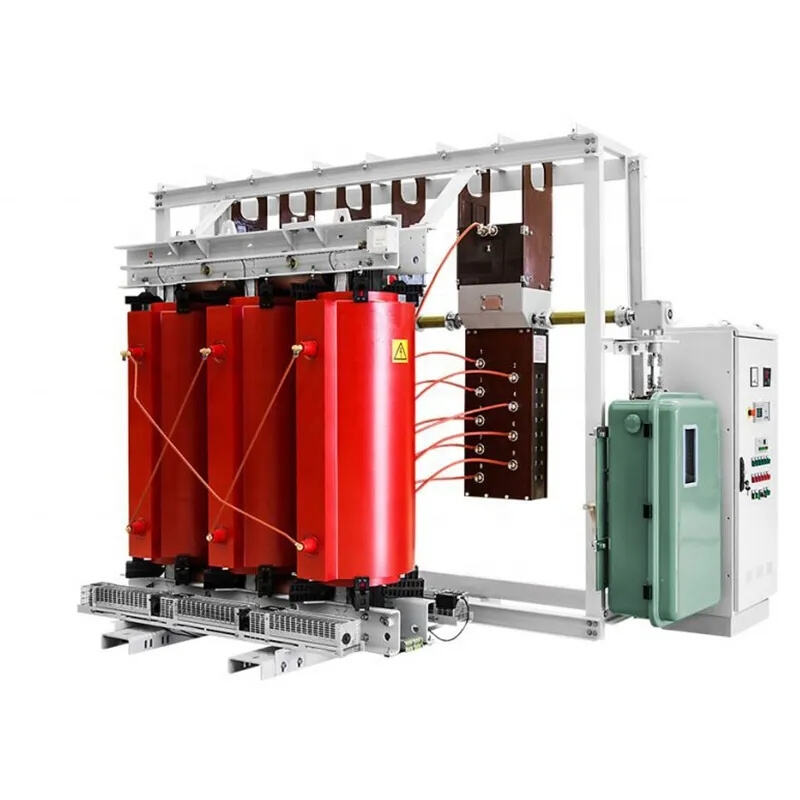
Modern distribution networks face increasingly complex challenges that demand reliable, efficient, and environmentally conscious switching solutions. Among the various circuit breaker technologies available today, the vacuum circuit breaker has emerged as the preferred choice for medium voltage applications in distribution systems worldwide. This preference stems from a combination of superior technical characteristics, operational advantages, and long-term economic benefits that align perfectly with the evolving requirements of contemporary electrical infrastructure.
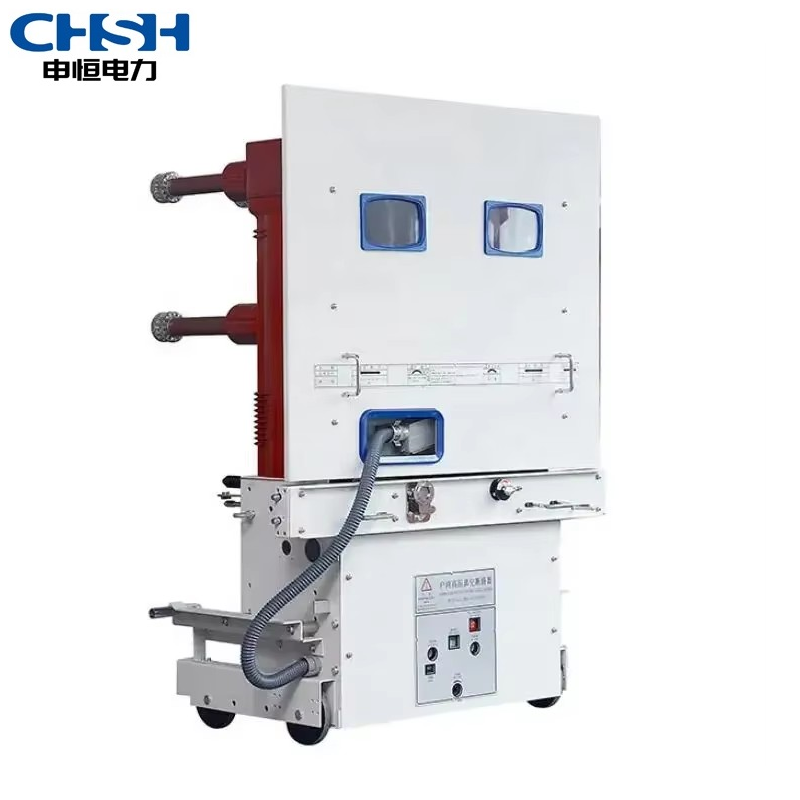
The dominance of vacuum circuit breaker technology in modern distribution networks is not accidental but rather the result of decades of technological advancement and practical field experience. Distribution system operators have consistently chosen vacuum circuit breaker solutions over alternative technologies such as SF6 or oil-filled breakers due to their unique ability to address multiple operational challenges simultaneously while providing exceptional reliability and minimal maintenance requirements.
Superior Arc Extinction Capabilities Drive Preference
Vacuum Dielectric Strength Advantages
The fundamental reason why vacuum circuit breaker technology excels in modern distribution networks lies in the exceptional dielectric strength of vacuum as an interrupting medium. When electrical contacts separate within a vacuum chamber, the absence of gas molecules eliminates the possibility of sustained arc formation, allowing for rapid current interruption. This vacuum circuit breaker characteristic enables switching operations at much lower contact separation distances compared to other technologies, resulting in more compact designs and faster operation times.
The vacuum environment provides a dielectric strength that is significantly higher than air or other gas mediums at atmospheric pressure. This superior insulation capability means that vacuum circuit breaker units can reliably interrupt fault currents and perform switching operations with minimal risk of flashover or arc re-ignition. Distribution network operators particularly value this reliability because it directly translates to improved system stability and reduced outage durations.
Furthermore, the vacuum circuit breaker design eliminates the degradation issues associated with other interrupting mediums. Unlike SF6 gas that can decompose under arc conditions or oil that can carbonize over time, vacuum maintains its dielectric properties indefinitely, ensuring consistent performance throughout the equipment's operational lifetime.
Rapid Arc Quenching Process
The arc extinction process in a vacuum circuit breaker occurs through a fundamentally different mechanism than in other breaker types. When contacts separate under load conditions, a metallic vapor arc forms briefly between the contacts. However, the vacuum environment immediately begins to diffuse this metallic vapor, and as the contacts continue to separate, the arc extinguishes naturally at the next current zero crossing.
This rapid arc quenching capability makes vacuum circuit breaker technology particularly suitable for distribution networks that experience frequent switching operations. The ability to interrupt current quickly and reliably reduces stress on the electrical system and minimizes the thermal and mechanical stress on connected equipment. Distribution transformers, cables, and other network components benefit from the clean switching characteristics that vacuum circuit breaker units provide.
The consistent arc interruption performance also means that vacuum circuit breaker installations can handle repetitive switching duties without degradation. This capability is essential in modern distribution networks where automated switching for load management and system optimization is becoming increasingly common.
Environmental and Safety Benefits
Zero Greenhouse Gas Emissions
Environmental considerations have become a critical factor in the selection of electrical equipment for modern distribution networks. The vacuum circuit breaker offers significant environmental advantages over SF6-based alternatives, primarily because it uses no greenhouse gases in its operation. SF6, while effective as an interrupting medium, has a global warming potential that is approximately 23,500 times higher than CO2, making it a significant environmental concern for utility operators.
Distribution network operators increasingly face regulatory pressure to reduce their environmental footprint, and the adoption of vacuum circuit breaker technology directly supports these sustainability goals. The absence of any gas filling means there are no risks of greenhouse gas leakage during operation, maintenance, or end-of-life disposal. This environmental benefit has made vacuum circuit breaker technology the preferred choice for environmentally conscious utilities and industrial facilities.
Additionally, the vacuum circuit breaker design eliminates the need for gas monitoring systems, gas replenishment equipment, and specialized handling procedures required for SF6 equipment. This simplification reduces both operational complexity and environmental risk throughout the equipment's lifecycle.
Enhanced Personnel Safety
Safety considerations strongly favor vacuum circuit breaker adoption in modern distribution networks. The absence of pressurized gases or flammable oils eliminates several significant safety hazards that are present with alternative breaker technologies. Maintenance personnel working on vacuum circuit breaker installations face no risks from toxic gas exposure, explosive decompression, or fire hazards associated with oil-filled equipment.
The sealed vacuum interrupter design also provides inherent safety benefits during fault conditions. Unlike oil circuit breakers that may rupture or SF6 breakers that could leak under extreme fault conditions, vacuum circuit breaker chambers maintain their integrity even under severe electrical stress. This reliability protects both personnel and adjacent equipment during fault clearing operations.
Furthermore, the compact design of vacuum circuit breaker units allows for better accessibility during maintenance operations, reducing the physical hazards associated with working in confined spaces or at height. The reduced maintenance requirements also minimize personnel exposure to electrical hazards over the equipment's operational lifetime.
Operational Reliability and Maintenance Advantages
Extended Maintenance Intervals
The vacuum circuit breaker technology offers exceptional reliability that translates directly into reduced maintenance requirements and extended service intervals. The sealed vacuum chamber design eliminates exposure to atmospheric contamination, moisture, and other environmental factors that can degrade the performance of other breaker types. This protection allows vacuum circuit breaker installations to operate for decades with minimal intervention.
Distribution network operators particularly value the predictable maintenance schedules that vacuum circuit breaker equipment provides. Unlike oil-filled breakers that require regular oil analysis and replacement, or SF6 breakers that need gas purity monitoring and replenishment, vacuum circuit breaker units require only periodic contact inspection and mechanism maintenance. This predictability allows for better maintenance planning and resource allocation across the distribution network.
The extended maintenance intervals also contribute to improved system reliability by reducing the frequency of planned outages required for equipment maintenance. In distribution networks where continuous service is critical, the ability to extend maintenance intervals without compromising reliability provides significant operational advantages.
Consistent Performance Over Time
The vacuum circuit breaker maintains consistent interrupting performance throughout its operational life due to the stable nature of the vacuum environment. Unlike other interrupting mediums that may degrade or become contaminated over time, vacuum provides unchanging dielectric properties that ensure reliable operation from initial installation through end of service life.
This consistent performance characteristic is particularly important in distribution networks where circuit breakers may be called upon to operate after extended periods of inactivity. The vacuum circuit breaker design ensures that switching operations will be completed successfully even after years of standby service, providing the reliability that modern distribution networks require.
The stable performance also means that system protection coordination remains accurate throughout the breaker's service life. Protection engineers can rely on consistent interrupting times and let-through energy levels when designing protection schemes, eliminating the need for periodic recalibration that may be required with other breaker technologies.
Economic Benefits for Distribution Networks
Lower Total Cost of Ownership
The economic advantages of vacuum circuit breaker technology extend far beyond initial purchase price to encompass the total cost of ownership over the equipment's operational lifetime. The reduced maintenance requirements translate directly into lower operational costs, fewer maintenance outages, and reduced spare parts inventory requirements. Distribution network operators consistently report significant cost savings when comparing vacuum circuit breaker installations to alternative technologies over a 20-30 year service period.
The elimination of consumables such as insulating oil or SF6 gas provides ongoing cost savings throughout the equipment's service life. These materials not only represent direct costs but also require specialized handling, storage, and disposal procedures that add to the overall operational expense. Vacuum circuit breaker technology eliminates these recurring costs entirely.
Additionally, the compact design of vacuum circuit breaker installations often allows for reduced substation footprint requirements, providing land use efficiencies that can be particularly valuable in urban distribution networks where space is at a premium.
Improved System Availability
The reliability advantages of vacuum circuit breaker technology directly translate into improved system availability and reduced outage costs for distribution networks. The lower failure rates and extended maintenance intervals mean fewer unplanned outages and shorter planned maintenance windows, both of which contribute to improved customer satisfaction and reduced revenue losses.
The fast operating characteristics of vacuum circuit breaker equipment also contribute to improved system stability and reduced fault clearing times. Faster fault clearing reduces the stress on other network components and minimizes the extent of system disturbances, leading to improved overall network performance.
Distribution network operators also benefit from the standardization opportunities that vacuum circuit breaker technology provides. The similar operating characteristics and maintenance requirements across different voltage levels and applications allow for simplified training, standardized spare parts inventory, and more efficient maintenance procedures.
FAQ
What voltage levels are suitable for vacuum circuit breaker applications?
Vacuum circuit breaker technology is most commonly applied in medium voltage distribution networks, typically ranging from 3kV to 40.5kV. This voltage range covers the majority of distribution network applications including industrial facilities, commercial buildings, and utility distribution substations. The technology is particularly well-suited for the 12kV, 15kV, and 25kV voltage classes that are widely used in modern distribution systems.
How does the switching capacity of vacuum circuit breakers compare to other technologies?
Vacuum circuit breaker units typically offer superior switching capacity compared to oil or air-magnetic breakers in the same voltage class. Modern vacuum circuit breaker designs can reliably interrupt fault currents up to 63kA or higher while maintaining compact dimensions. The consistent interrupting performance and ability to handle multiple operations without degradation makes vacuum circuit breaker technology particularly suitable for applications requiring high switching duty.
What are the typical maintenance requirements for vacuum circuit breakers in distribution networks?
Vacuum circuit breaker maintenance typically consists of periodic contact inspection, mechanism lubrication, and control circuit testing. Most manufacturers recommend major maintenance intervals of 5-10 years depending on operating conditions and duty cycle. The absence of gas or oil systems eliminates the need for fluid analysis, gas monitoring, or consumable replacement that is required with other breaker technologies, significantly reducing maintenance complexity and cost.
Can existing distribution substations be easily retrofitted with vacuum circuit breakers?
Yes, the compact design and standard mounting arrangements of modern vacuum circuit breaker equipment make retrofitting existing distribution substations relatively straightforward. The elimination of auxiliary systems required for gas or oil handling often simplifies the installation process and may even free up space within existing substations. However, proper engineering review is always recommended to ensure compatibility with existing protection and control systems.
Table of Contents
- Superior Arc Extinction Capabilities Drive Preference
- Environmental and Safety Benefits
- Operational Reliability and Maintenance Advantages
- Economic Benefits for Distribution Networks
-
FAQ
- What voltage levels are suitable for vacuum circuit breaker applications?
- How does the switching capacity of vacuum circuit breakers compare to other technologies?
- What are the typical maintenance requirements for vacuum circuit breakers in distribution networks?
- Can existing distribution substations be easily retrofitted with vacuum circuit breakers?